Ballarat: A Town Holding Both Beauty and Burden
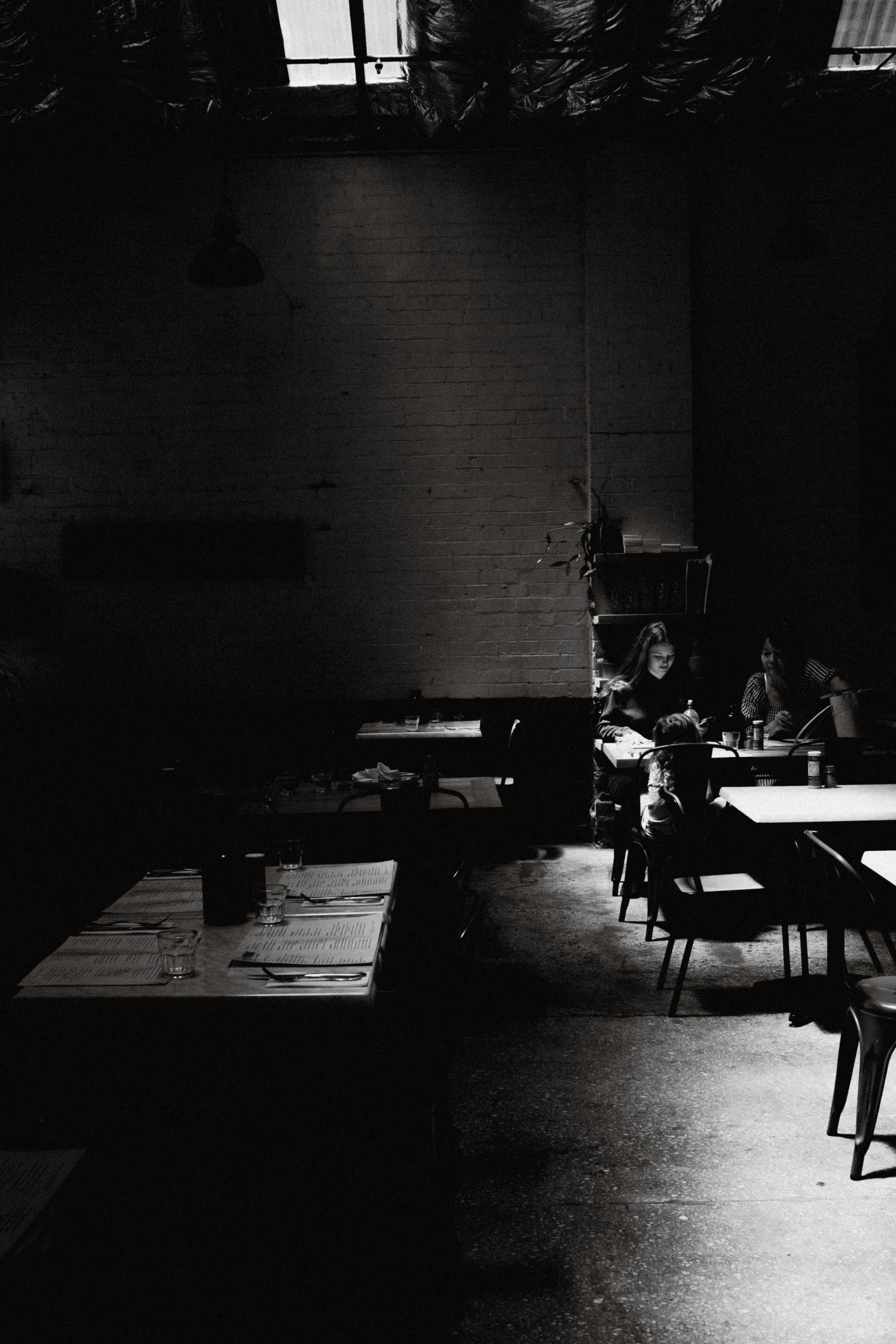
I went to the Ballarat International Foto Biennale this weekend. Ballarat is one of those towns that feels both historic and alive at the same time. Wide streets, gold rush architecture, old pubs and cafés that seem to carry stories in their walls. There’s a charm to it that makes you slow down, like the town itself is asking you to take your time.
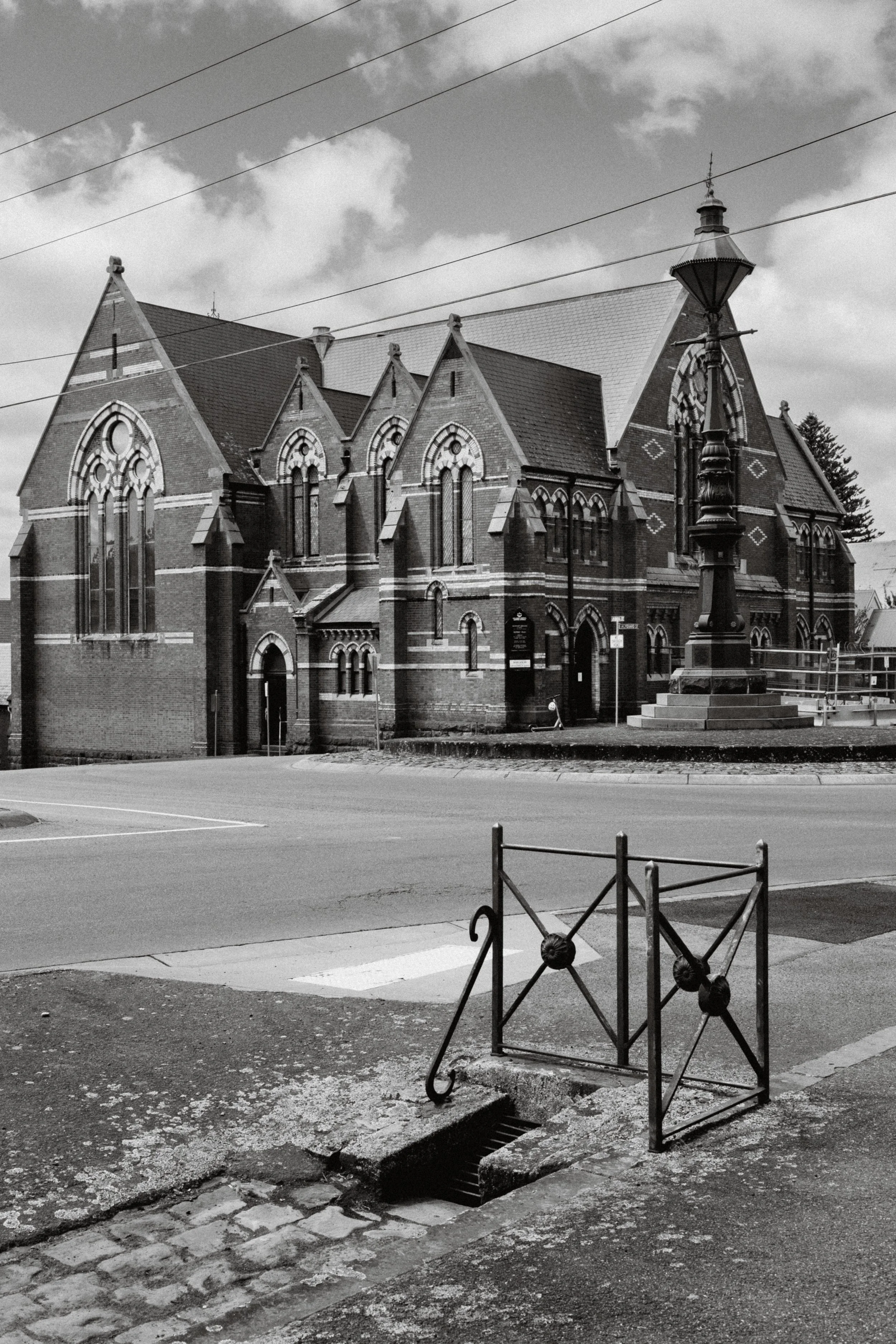
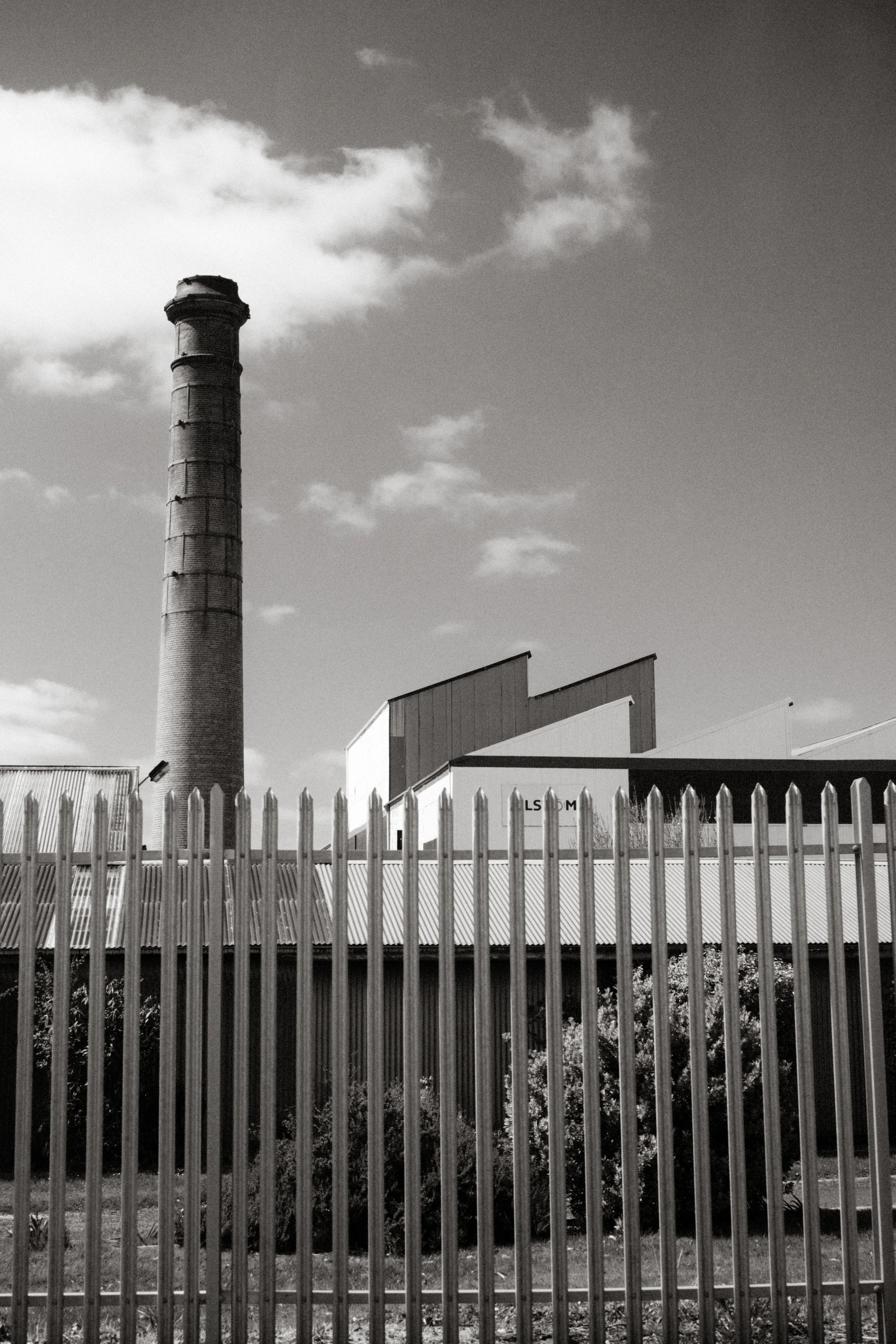
For those who haven’t been, Ballarat is an old gold rush town about 115 km northwest of Melbourne, with a population of around 120,000. It was declared a city in 1870, and the Wadawurrung people are the Traditional Owners of the land.
A good friend of mine moved there recently, searching for a slower pace and a bit more peace. Every time I visit, I can see why. There’s something about Ballarat that feels “small but enough,” like it hasn’t completely rushed into the chaos of the modern world. Kim and I often play our little game of comparing Ballarat with Geelong and Bendigo, asking each other, “if you had to move to one, which would you choose?” Ballarat often comes out on top for me. The landscape and architecture play a big part, and the town has some stunning old colonial homes that give it real character.
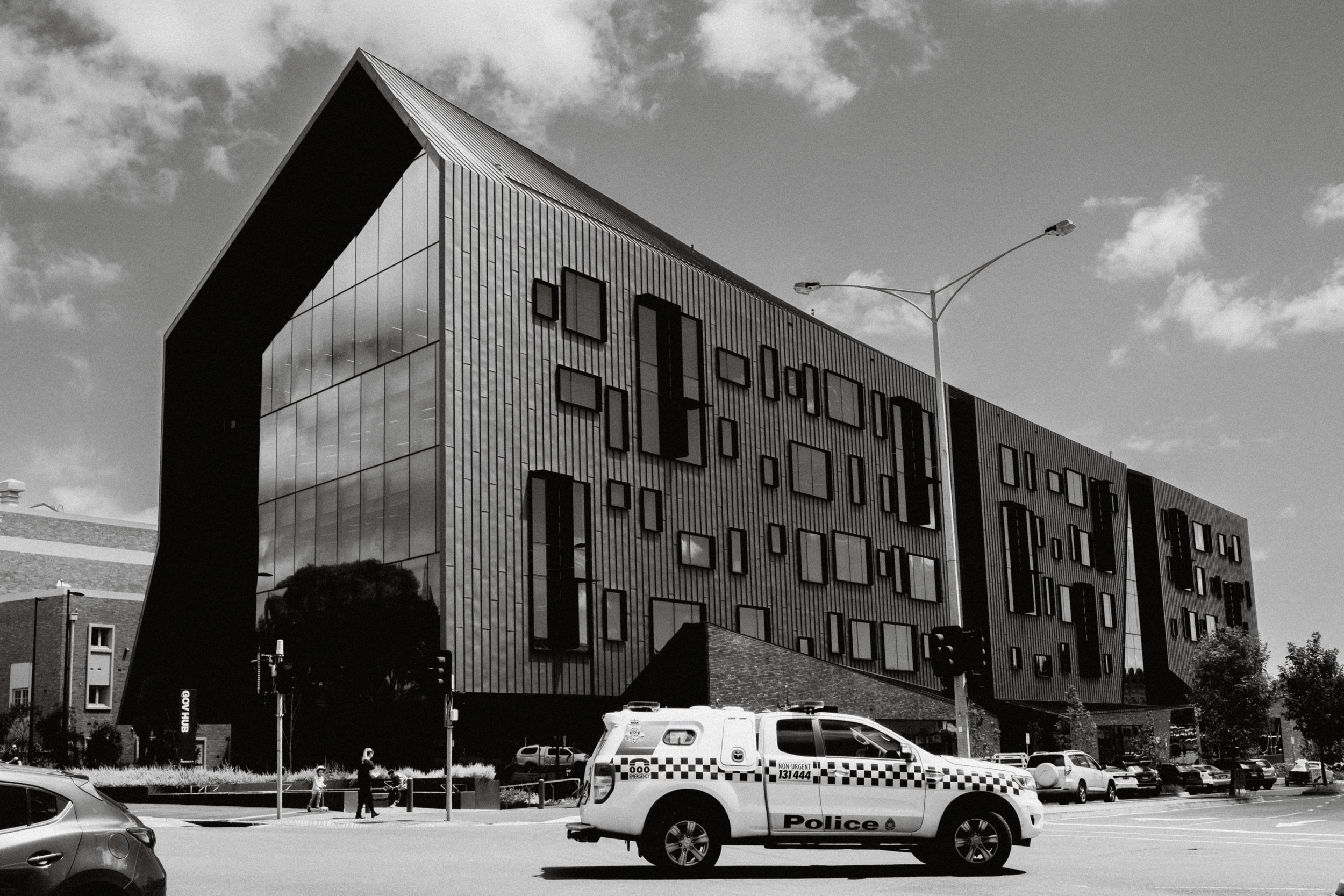
But Ballarat also carries weight. In recent years, it’s become known for something much harder: cases of violence against women that have shaken the whole country. It’s painful to think about. Places carry memory, and Ballarat holds both its beauty and its scars. Violence against women isn’t new, but it feels epidemic in Australia. From my experience working in regional Victorian social services, I’ve seen how young people often struggle with isolation and limited opportunities. Domestic violence is much more common in smaller towns than in big metropolitan areas. When street life is quiet and real-world connections are lacking, young men too often turn to porn for sex, TV or sport for relationships, and video games for violence. This combination of entertainment and engagement doesn’t lead you anywhere good.
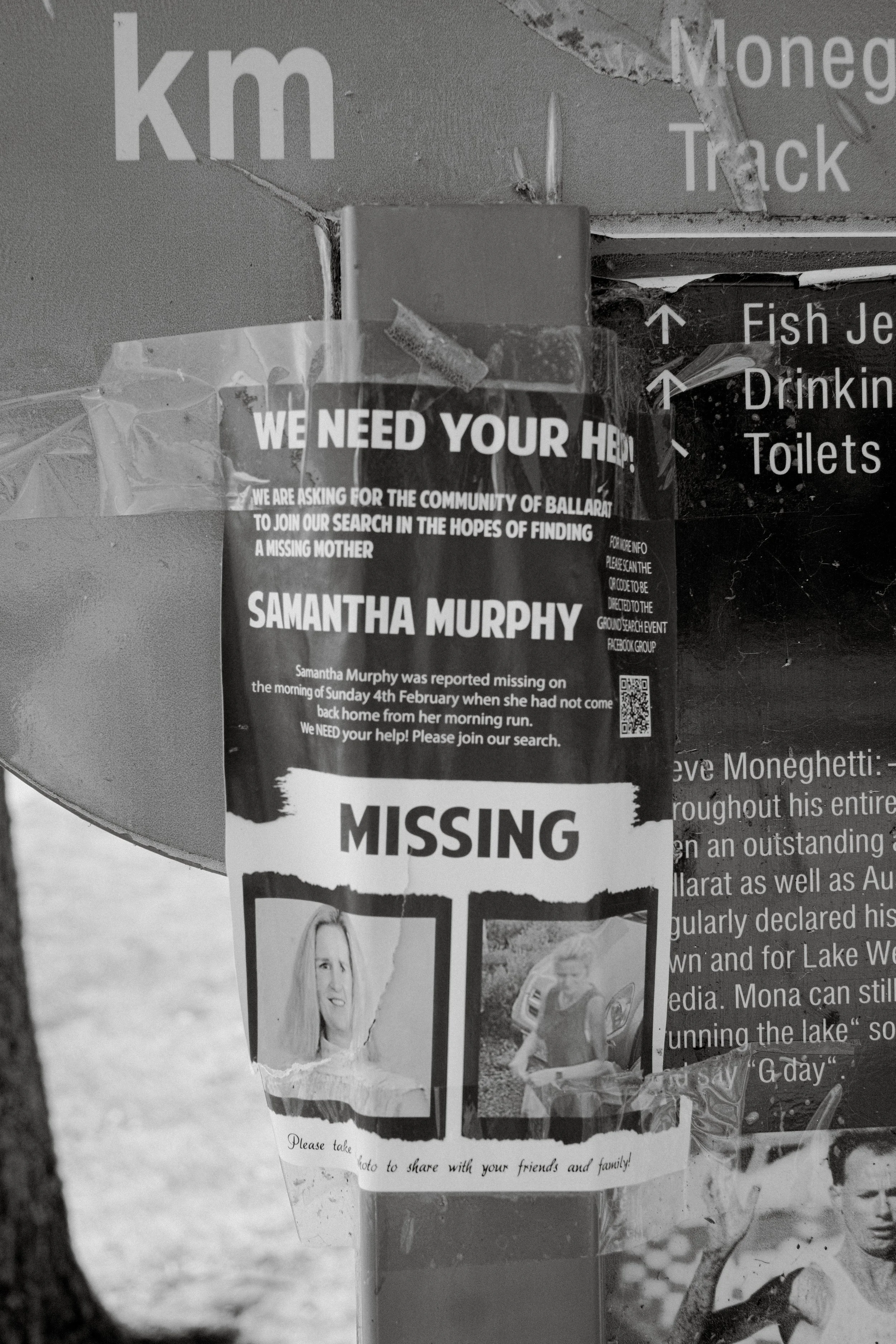
In 2024, far too many women lost their lives in Ballarat, more than you’d ever expect for a town this size. Many have faced violence from a young age, and family violence keeps rising. It’s heavy to think about, but the community is trying, bringing together schools, workplaces, clubs, and health services to make a difference. Groups like WRISC and Women’s Health Grampians are standing with survivors, pushing for zero tolerance.
Last year we lost Samantha Murphy, Rebecca Young, and Hannah McGuire. Their stories shook the town and made national headlines. It’s a stark reminder that across Australia, one woman is killed every nine days by someone she knows, and nearly 40 percent of Victorian women have faced violence since they were 15.
Which is why regional art events like the Foto Biennale matter so much. Art has a way of nurturing the heart, easing isolation, and offering different perspectives — even purpose.
The Foto Biennale makes that clear. For a few weeks, the town fills with photography — stories of resilience, identity, and everyday life. It’s not just about walking into galleries and looking at pictures. It’s the feeling of moving from one exhibition to the next, carrying the mood of one body of work into another space. Some photographs make you pause and lean closer, others almost knock the air out of you. That rhythm of slowing down and speeding up, reflecting and reacting, becomes part of the experience itself.
What I love most about photography in a setting like this is how it mirrors the town. Ballarat is layered history, hardship, beauty and so are the images on display. Some speak of pain, some of joy, and together they remind you that life is never just one thing.


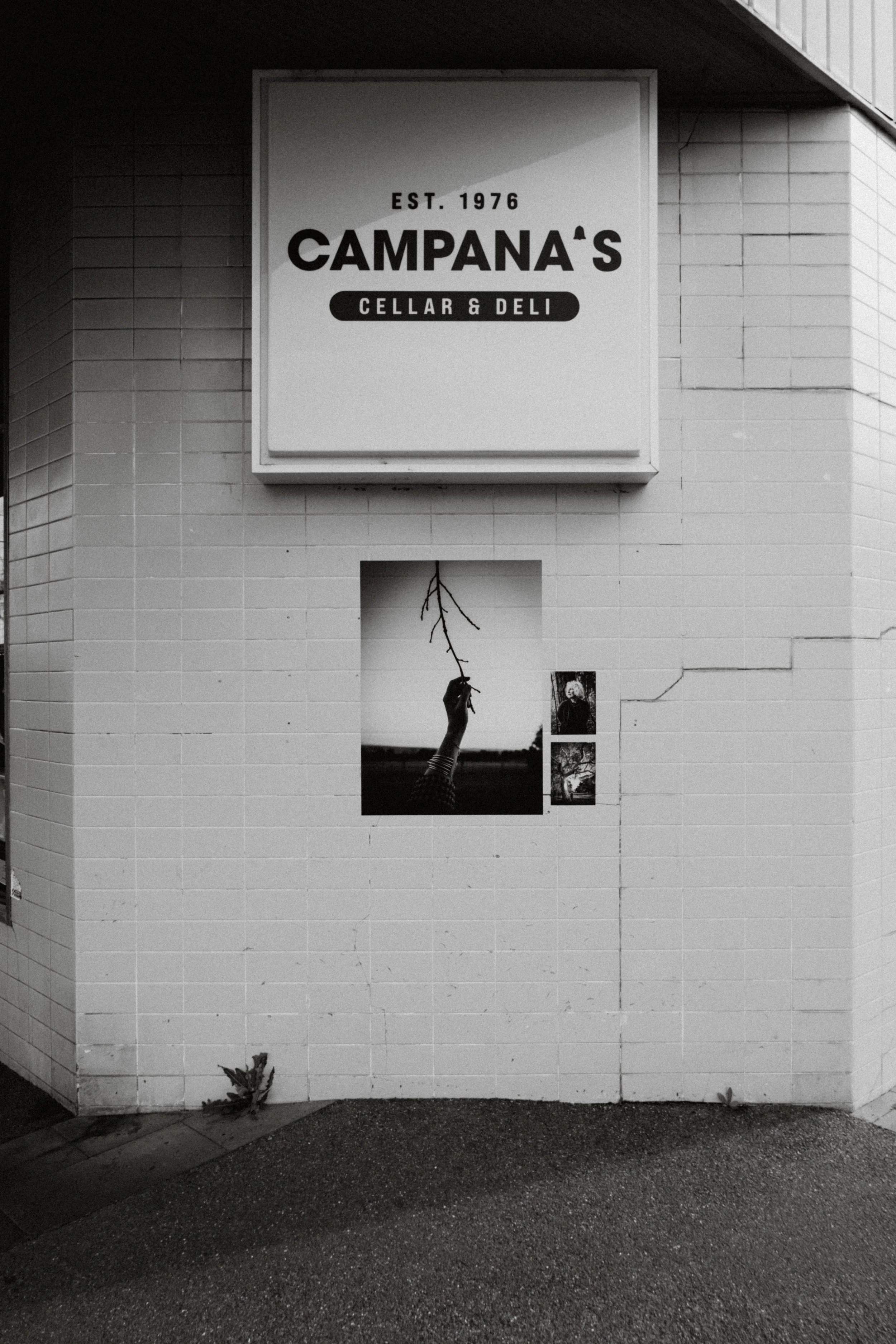

Not all the exhibitions are tied directly to Ballarat, and that’s part of what makes the festival special. The Ballarat International Foto Biennale (BIFB) is one of the biggest photography festivals in Australia and brings together some very big names Campbell Addy, Robert Mapplethorpe, Catherine Leroy, Hiromi Tango, Vineet Vohra, and even Andy Warhol, whose Polaroids were featured in 2023, adding pop culture and historical weight.
Photography, as an art form, feels like one of the most democratic mediums of our time. Almost everyone carries a camera in their pocket these days, free to express and share their world however they see it. If you happen to read this and have an interest, the BIFB is on until 19 October this year so make sure you check it out.
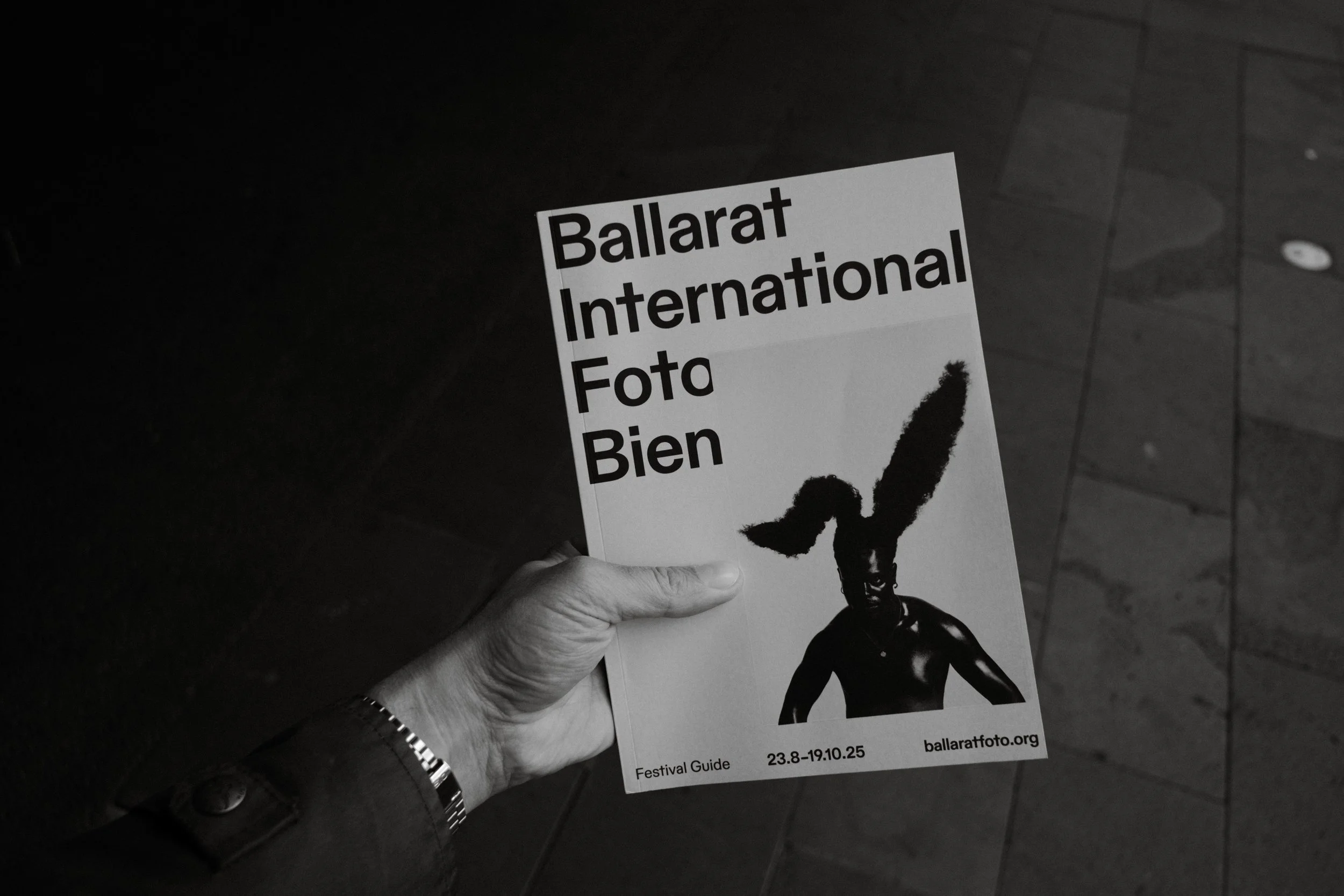
Photography doesn’t erase the past, but it does invite us to see it differently. And in Ballarat this weekend, surrounded by images that spoke of both struggle and hope, I felt that deeply.
Peace out.