The Joy of Missing Out
I’ve been shooting RAW for more than fifteen years. For anyone not familiar with the term, RAW is a file format that captures all the data straight from the camera’s sensor completely unprocessed. Think of it as a digital negative. It holds every detail, allowing you to adjust things like brightness, color, and contrast later on without losing quality. It gives photographers maximum control, which is why it’s been the industry standard for professional work for so long.
It always felt like the way to go and the professional, much less risky choice. RAW gave me freedom. Every highlight, every shadow, every tiny detail was there, waiting to be refined. It was comforting to know I could fix things later. Shooting RAW became a habit, part of doing professional photography, of always having that safety net. But recently, I’ve started shooting JPEG only.
JPEG is different. It’s the camera’s interpretation of that particular composition or exposure already processed and ready to go. You need to dial your settings color tone, white balance, and overall feel before pressing the shutter. Once it’s saved, that’s it. You can’t go back and change much. At first, that finality felt risky. But the more I shoot JPEG, the more I appreciate its honesty.
In the age of AI, where everything can be endlessly adjusted, filtered, and perfected, JPEG feels refreshingly real. It forces me to trust the moment and my instincts. There’s something grounding about accepting a photo as it is, instead of spending hours reshaping it afterward.
Shooting JPEG also brings me back to my early days with film when every shot mattered, and you had to get it right in-camera. There was no safety net, no way to check your exposure instantly. You had to understand your light, your timing, and your subject. And when the film finally came back from the lab, there was always that quiet thrill of discovery. That process, that patience, had a certain romance to it. Shooting JPEG gives me a small taste of that again the feeling of committing to a moment and trusting it to be enough. I’ve been shooting with my Fujifilm X-Pro3, which has a hidden screen that doesn’t let you check your shots after taking them. It doesn’t allow you to chimp, and that small design choice brings me even closer to that film-era discipline.
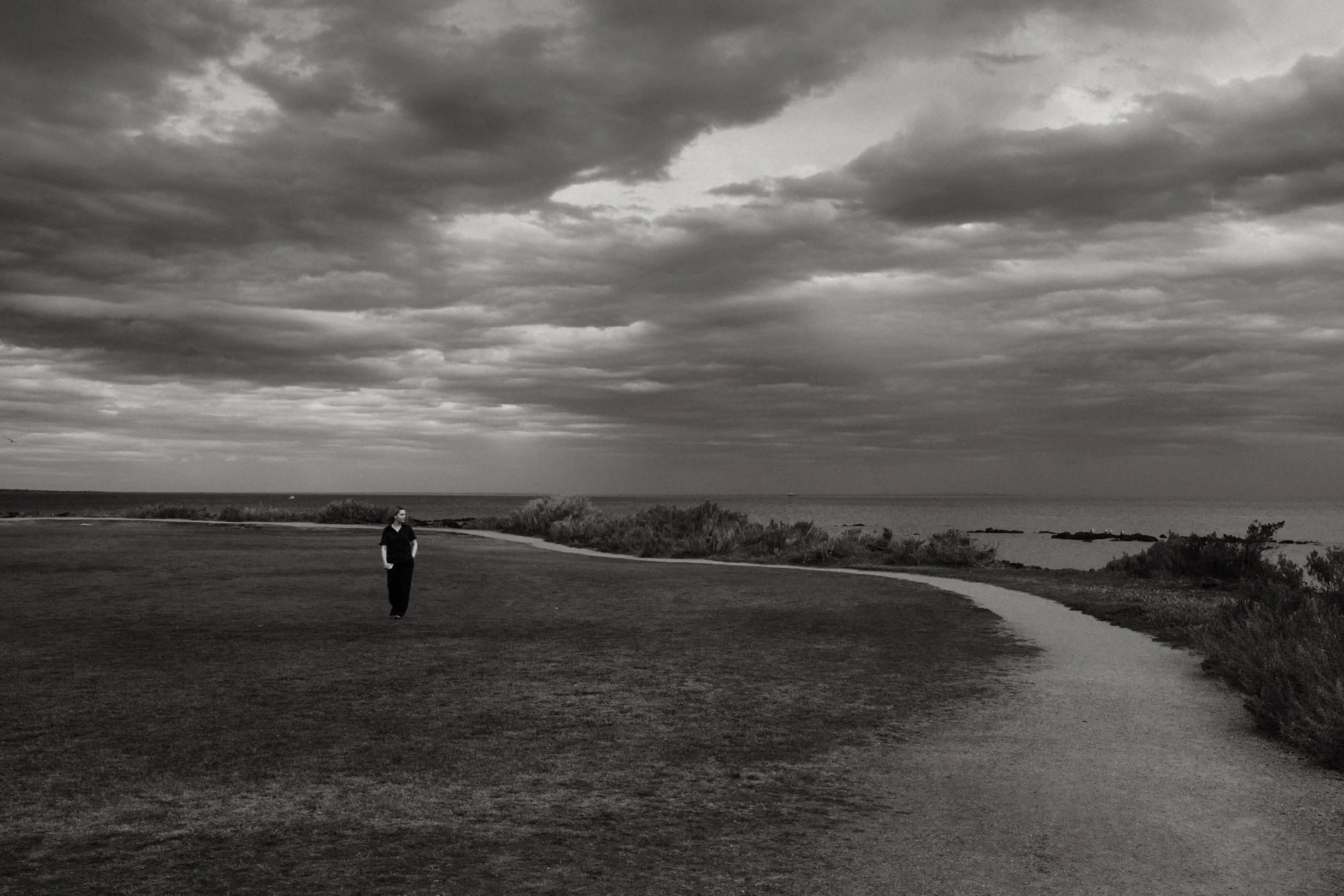
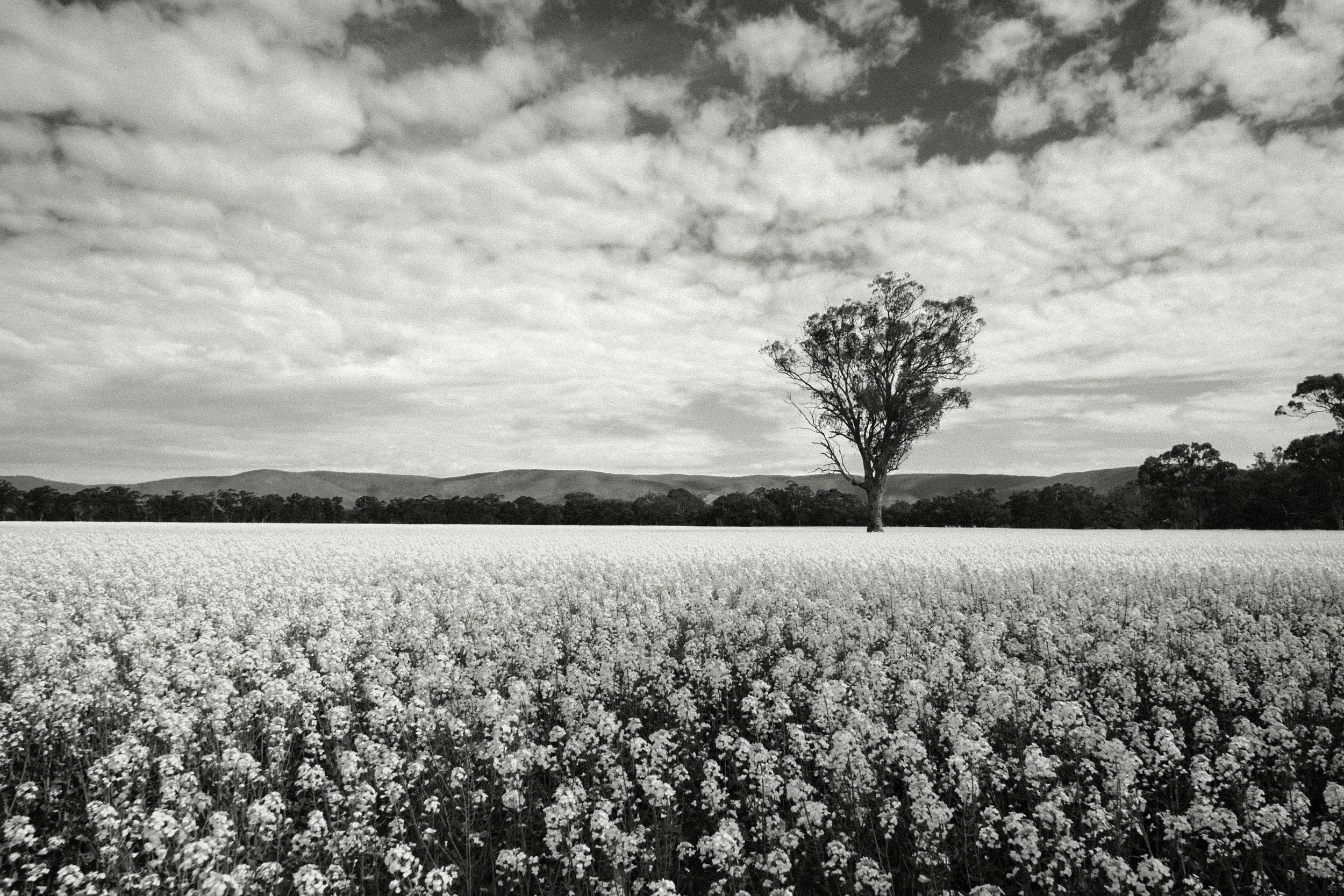
Photography has always been a way for me to document life people who have touched my world, the places I’ve been, and the endlessly changing, unpredictable world around me. But complementing this with an analog journal has been transformative. I’ve been journaling for many years, but in the last ten, mostly digitally. You can tag entries, search keywords, and organize everything neatly, but it’s not the same. Writing by hand, letting the pen move across the page, creates a connection with the moment that digital screens can’t replicate. It’s slower, more deliberate, and somehow more honest. Photography captures the external world; journaling captures the internal one for me. Together, they have made me more aware, more present, and more grounded.
Maybe that’s why I’ve been leaning toward a more analog way of living lately. I’ve found comfort in slowing down, writing by hand, reading actual books, and spending long stretches of time offline. The world moves fast and demands constant connection, but stepping back from that pace brings clarity. I’ve started noticing the quieter details again the sound of wind through the trees, the way afternoon light softens a wall, the charm in imperfection.

Inside my tent from a recent camping trip with a friend my journal and the book I’m currently reading.
That’s what wabi-sabi is all about: the beauty in imperfection, impermanence, and simplicity. I’ve never really been drawn to anything perfect. I enjoy things that have wear and tear. It’s a reminder that nothing needs to be flawless to be beautiful. Photography is like that too. Sometimes the slightly missed focus or uneven exposure tells a deeper story than a perfectly polished image ever could. Those small imperfections remind us that something real happened.
And maybe that’s why I find it so encouraging that the new generation of photographers seems to be chasing that same feeling. You can see it in the rise of film photography again, in handmade zines, in people experimenting with old cameras and expired film. They’re not looking for perfection; they’re craving process. There’s a growing appreciation for slowness, for uncertainty, for creating something imperfect and personal. The act of making becomes just as meaningful as the result.

As a millennial, I’ve lived most of my life surrounded by digital noise, scrolling, posting, updating, comparing. But lately, I’ve found peace in missing out. JOMO, the joy of missing out, is about choosing presence over pressure. It’s not about isolating yourself; it’s about being content with your own moments, your own pace, your own version of enough.
Shooting JPEG has become a quiet act of resistance for me. A reminder that not everything needs to be perfected or revisited. Sometimes, what’s real, what’s imperfect, is what stays with us the longest.
Maybe that’s what this chapter of my photography and my life is really about. Embracing simplicity, slowing down, and finding beauty in what’s already here.
Peace out.